Greyhound Adoption Guide and Breed Overview
This independent guide explains what greyhounds are like as companions, how to prepare a home for one, and how to find a rescue group that can help you.
Understanding the Greyhound Breed
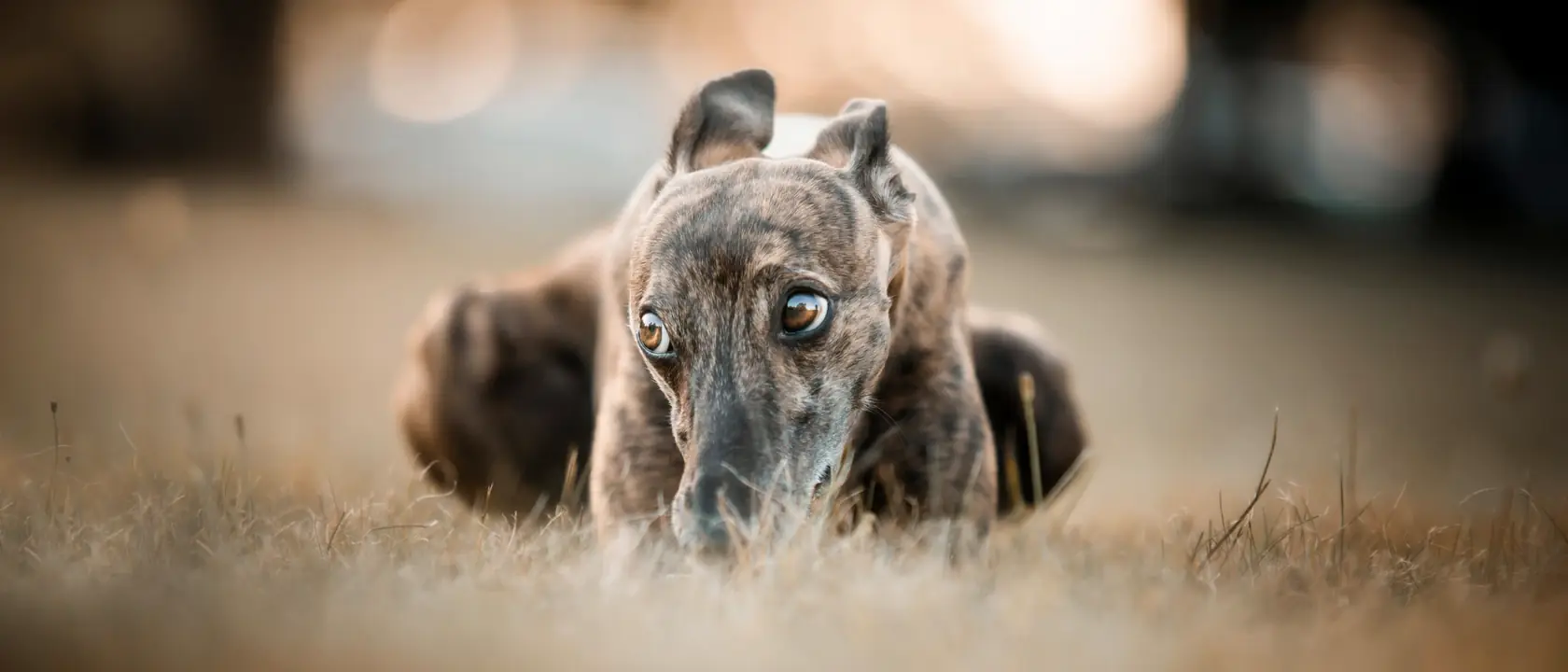
Greyhounds are sighthounds, a group of breeds that hunt by sight and run in short, fast bursts. Many of the greyhounds kept as pets were bred for racing, and they carry the physical traits of that work: long legs, deep chests, narrow waists and a thin coat. Their size can surprise people who expect a large, boisterous dog. Most greyhounds are calm, reserved and affectionate with their own families.
Understanding the breed starts with its history. Racing greyhounds live in kennels for much of their young lives, so a retired greyhound often arrives with little experience of everyday household life. Stairs, carpets, car rides and being left alone can all be new. Patience in the first weeks makes a big difference.
Why Greyhounds Make Great Pets
Many owners choose greyhounds because they are quiet indoors. Greyhounds are known for sleeping for long periods and for relaxing on a sofa or a bed. They rarely need a big yard to be happy, provided they get regular walks and a safe place to run. Their gentle manner suits many households, including homes with older adults and people who want a calm companion.
Temperament varies from dog to dog, as it does in every breed. Some greyhounds are shy at first and take months to show their full personality. Others settle within days. A good rescue group will describe the individual dog honestly, so that you can judge whether it fits your home.
The Adoption Process Explained
Adoption is the step that most people want to understand first. In general, rescue groups ask prospective owners to complete an application, may check references or the home environment, and usually arrange a meeting with the dog before any decision is made. Requirements differ between groups and between states, so read each group's policies carefully.
A reputable group is open about its process, its fees and its aftercare. It answers questions directly and does not rush you into a decision. If a group pressures you, or cannot explain how it assesses dogs, take that as a reason to look further. This guide does not run an adoption service of its own and does not accept applications. To start a greyhound adoption near me search, look for local rescue groups in your area and compare what each one asks of applicants. Some greyhound adoption centers are run by shelters, and many rescue groups publish their own greyhound adoption program rules online.
Preparing Your Home for a Greyhound
Preparing a home for a greyhound is mostly about safety and comfort. Secure fencing matters, because a sighthound that sees a squirrel or a cat may run after it without warning. A harness or a well-fitted collar, a lead and a secure, warm bed will cover the basics. Many owners also keep a crate or a quiet corner where the dog can rest away from noise.
Greyhounds have thin skin and little body fat, so they feel cold easily. A coat for walks in winter is a practical purchase. Before the dog arrives, check the garden for toxic plants, keep medications and cleaning products out of reach, and plan how the dog will be introduced to other pets in the home.
Caring for Your New Companion
The first weeks are about routine. Feed at consistent times, walk the dog on a lead at first, and give it a predictable place to sleep. Introduce the house in small steps. Many greyhounds need time before they relax fully in a new home, and some will look anxious or sleep very deeply in the first days.
Basic training helps: teach a recall word in a secure area, reward calm behaviour, and avoid punishment, which tends to make a shy dog more fearful. Greyhounds respond well to gentle, consistent handling. A veterinarian who knows sighthounds can give you a baseline health check and advice on vaccinations, parasite control and dental care.
Common Misconceptions About Greyhounds
Many common ideas about greyhounds are not accurate. They are not hyperactive couch potatoes that need no exercise, and they are not fragile dogs that cannot live with families. Greyhounds are not aggressive by nature, although any dog can react when it is frightened or hurt. Most are not difficult to house train, though a retired racer may need some time to learn a home routine.
A more useful view is that a greyhound is a sensitive, sighthound companion with specific needs. It needs safe running, a warm place to rest, regular veterinary care and a home where it is not left alone for long periods. Learning these needs before you bring a dog home helps the transition go smoothly.
Resources for Greyhound Owners
Owners can find help in several places. Local rescue groups usually know their dogs well and can answer questions about a specific animal. Veterinarians who see sighthounds regularly can advise on health, diet and exercise. Owners' groups and local meetups, when they are available in your area, offer a chance to meet other people who live with greyhounds.
Reliable written guidance is also useful. Look for material that explains the breed, its health risks and its daily needs in plain language, and be cautious about any source that promises a quick fix or guarantees a result. This guide will continue to add articles on the breed, its care and its adoption, and it does not charge for information.
Frequently asked questions
Are greyhounds good with children?
Many greyhounds are gentle and patient with children, but every dog and every child is different. Supervise all contact between a dog and young children, teach children to leave the dog alone while it sleeps or eats, and never leave them together unattended.
How much exercise does a greyhound need?
Most greyhounds enjoy a daily walk on a lead and a chance to run safely in a fenced area. Many are also happy to rest for much of the day. Ask the rescue group what level of exercise suits the individual dog you are considering.
What is the average lifespan of a greyhound?
Lifespan depends on genetics, diet, care and health. Ask your veterinarian what to expect for your particular dog, and schedule regular check-ups so that problems are found early.
Read next
Greyhound Breed Overview and Care Guide
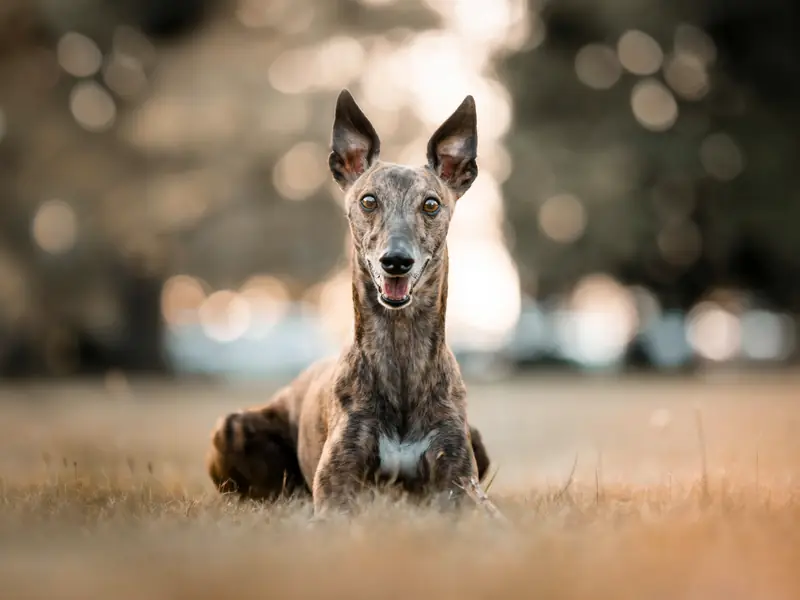
Explore greyhound breed traits, temperament, and care essentials. Get practical tips for welcoming a retired racer into your home. Connect with rescue groups.
Read
Greyhound Rescue Organizations and Local Chapters
Find greyhound rescue organizations and local chapters. Get insights into their work and how they support greyhound adoption. Discover ways to get involved.
Read
Starting a Greyhound Rescue Group: Key Steps
Learn about forming or joining a greyhound support group. Understand the structure, funding, and grants available for greyhound rescue organizations.
Read
Greyhound FAQs and Contact Information
Find answers to common greyhound questions and contact our editorial team. Our independent guide answers your questions about adoption and pet care.
Read
How to Start a Greyhound Adoption Organization
Learn how to start a greyhound adoption organization. Learn about structure, funding sources, and how to build a successful group. Explore grant opportunities.
Read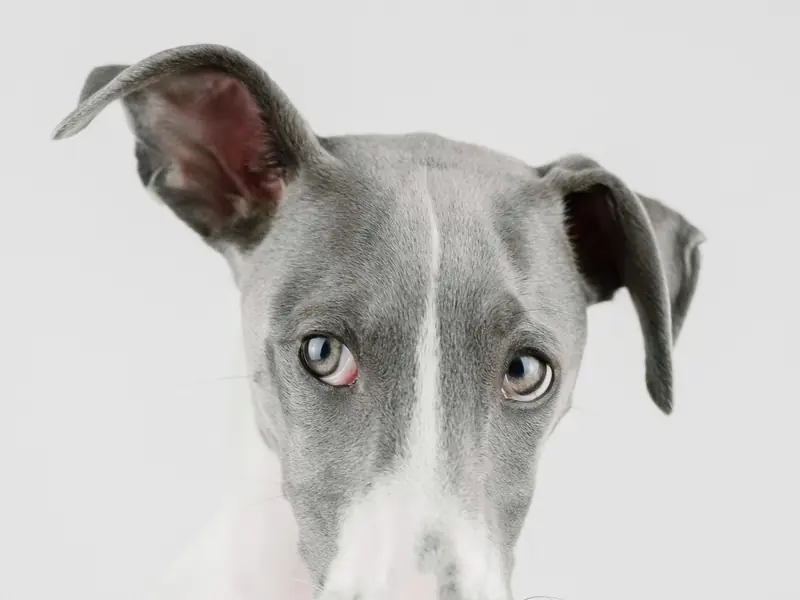
Finding a Local Greyhound Rescue Group
How to find a local greyhound rescue group, what to ask before getting involved, and how to judge the work it does.
Read