Greyhound Breed Overview and Care Guide
A practical overview of the greyhound breed, its temperament and its everyday care, written for people who are considering a dog or who already share a home with one.
Breed Characteristics and History
The greyhound is one of the oldest recognised breeds of dog and is a sighthound, meaning it hunts primarily by sight. Its build is designed for speed over short distances: a long, lean body, a deep chest, a flexible spine and large, powerful hindquarters. The coat is short and fine, in many colours, and needs little grooming.
Historically the breed was kept for hunting and later for racing. Many of the greyhounds that become pets are retired from the track, and their history shapes how they behave at home. Learning the breed's background helps owners understand why a dog may startle at sudden movement or prefer a soft bed to a hard floor.
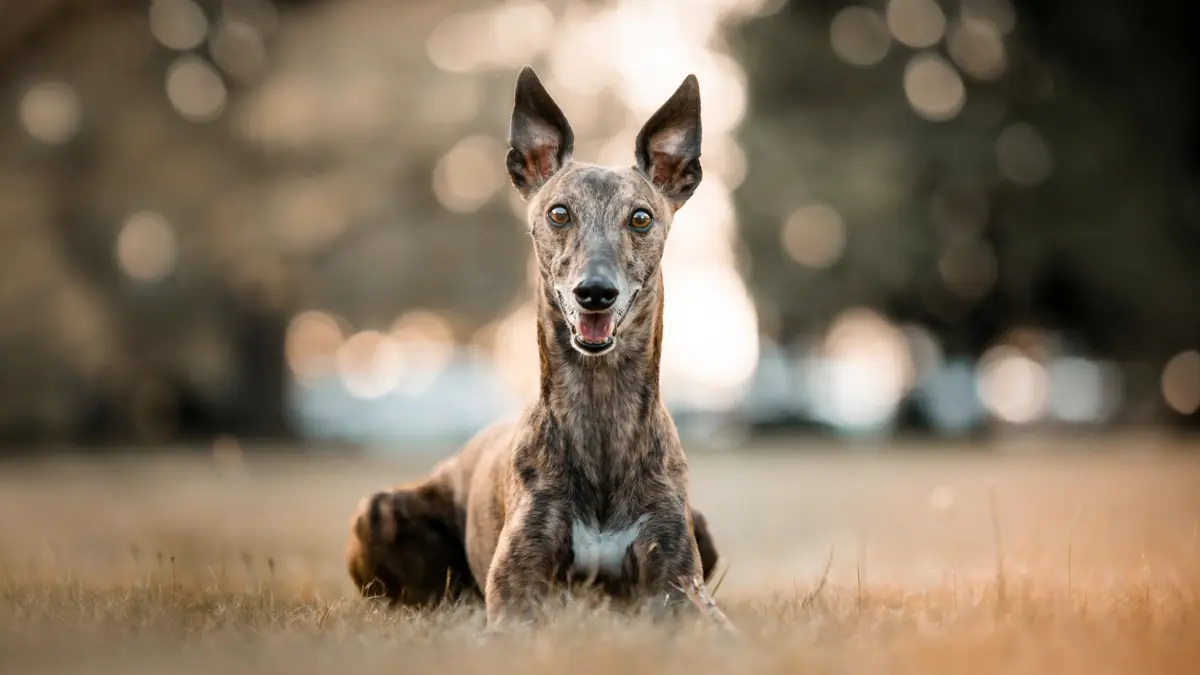
Temperament and Personality
Greyhounds are usually described as calm, quiet and affectionate. Indoors they tend to be relaxed, and many will spend hours resting. They often bond closely with their people and can be sensitive to tone of voice and to changes in routine.
Temperament is shaped by genetics, early experience and the way a dog is handled. Retired racers may be wary of unfamiliar people, noises and surfaces at first. Given time, patience and a predictable environment, many become confident companions. Individual dogs vary, so the most reliable information comes from the people who have spent time with a specific dog.
Health and Wellness
Greyhounds are generally healthy, but they have some breed-related risks. Owners should know the warning signs of bloat, a serious emergency in deep-chested dogs, which can progress quickly and needs immediate veterinary attention. Sighthounds can also be sensitive to some anaesthetics and medications, so it is useful to tell every veterinarian that your dog is a greyhound.
Dental care matters too. Regular teeth cleaning and checks help prevent problems that can otherwise go unnoticed. Joint and skin problems can appear in some dogs, and a veterinarian can advise on prevention and early treatment. Keep vaccinations and parasite control up to date, and keep a written record of your dog's health history.
Nutrition and Feeding Guidelines
Feeding a greyhound well means choosing a complete food suited to the dog's age and activity level, and feeding measured portions at regular times. Many greyhounds are lean by nature, and owners should watch the body condition rather than the scale alone. Ribs should be easy to feel without a thick layer of fat over them.
Sudden changes in diet can upset the stomach, so introduce a new food gradually. Fresh water should always be available. Ask your veterinarian before adding supplements or changing the diet significantly, especially if your dog has a known health condition.
Exercise and Activity Needs
Greyhounds need regular, moderate exercise rather than constant activity. A daily walk on a secure lead, with time to sniff and explore, suits most dogs. Many also enjoy a safe run in a securely fenced area, where they can stretch out at speed. Never let a sighthound off the lead in an unfenced area, because a sudden sight of another animal can send it running well beyond recall.
Exercise should be balanced with rest. Greyhounds need plenty of sleep, and a retired racer may be tired after a walk even if it looks fine. Adjust the routine to the dog's age and health, and check with a veterinarian before starting any new training or sporting activity.
Grooming and Maintenance
The greyhound's short coat needs only brief, regular brushing to remove loose hair and keep the skin healthy. Baths are needed rarely. Because the skin is thin, check for cuts, rashes or grazes after walks, and be careful with harsh shampoos.
Nails should be trimmed regularly, since long nails can affect the way a dog walks. Ears should be checked for redness or odour. Coat and skin condition often reflect general health, so a change in grooming needs can be an early sign that something is wrong. Keep a simple routine: a quick brush each week, a nail check, and a look over the body after outdoor time.
Finding a Greyhound to Adopt
Finding a greyhound to live with is best approached through a local rescue group or a shelter that works with retired racers. Ask the group how it assesses each dog, what it tells adopters about the dog's history, and what support it offers after the adoption. A reputable group will want to know about your household and will explain the dog honestly.
Think about your own circumstances first. Consider how much time you can spend with a dog each day, whether your home is safe for a sighthound, and whether other pets are part of the household. Greyhounds generally do best in homes where someone is around for much of the day. This guide does not place dogs and does not accept applications. Rescue groups and shelters that run a greyhound adoption program usually publish their requirements, so read them side by side before you apply. Greyhound adoption centers differ in the support they offer after a dog goes home. A greyhound adoption near me search will show local groups, but check each group's policies before you contact it.
Frequently asked questions
Do greyhounds shed a lot?
Greyhounds shed only a little. Their short, fine coat needs brief regular brushing, and most owners find the amount of hair manageable. Shedding varies between individual dogs and with the seasons.
Are greyhounds suitable for apartment living?
Many greyhounds do well in apartments, provided they have regular walks and a safe place to rest. Their calm nature suits quiet indoor living, although they should not be left alone for long stretches and need a secure outdoor route for exercise.
What health issues are common in greyhounds?
Greyhounds can develop joint and skin problems, dental disease and bloat, which is an emergency. Regular veterinary check-ups, good dental care and an early response to warning signs are the most effective protection.